

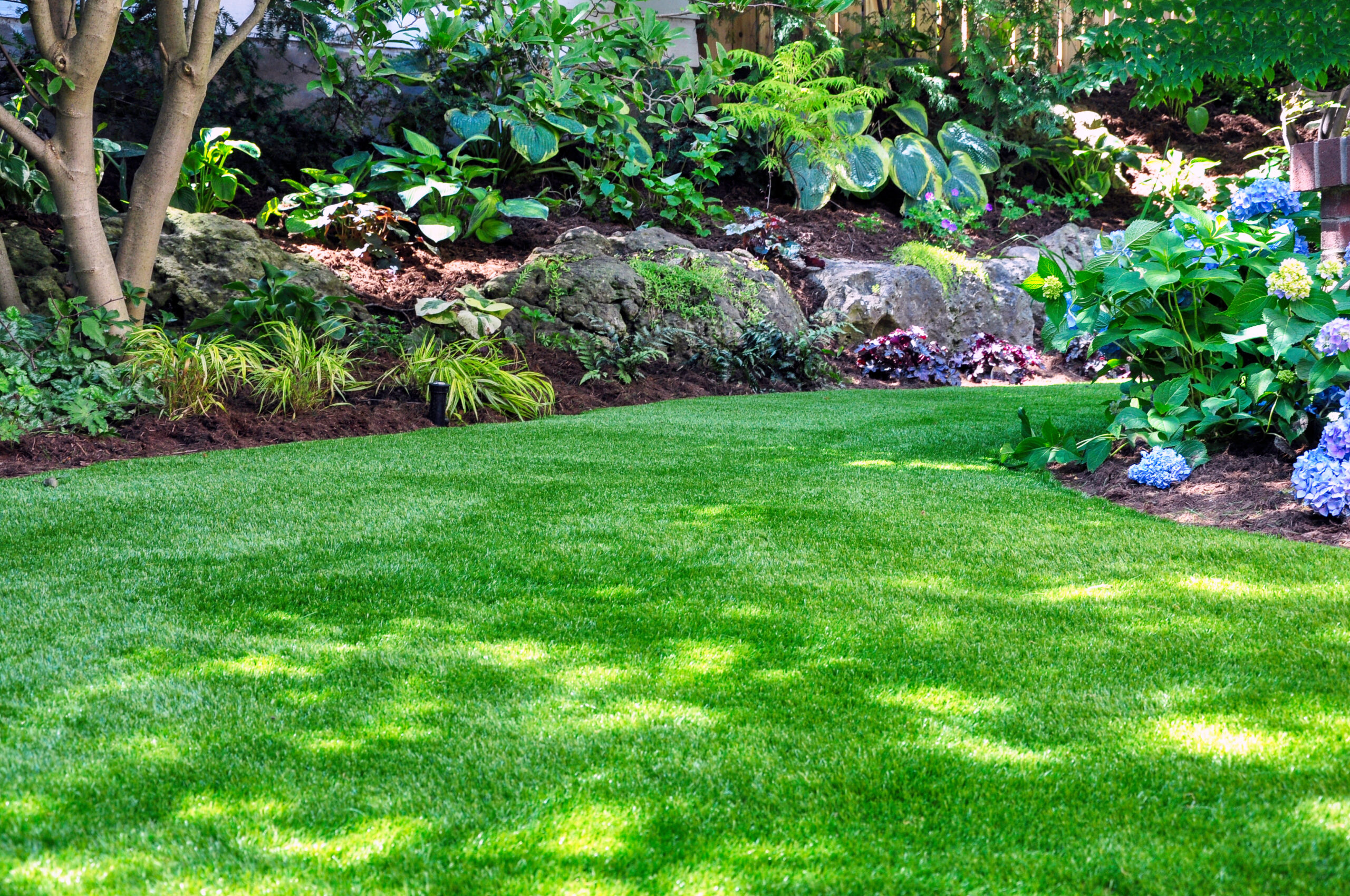
When is the Best Time to Mulch in Pennsylvania?
The best time to mulch in Pennsylvania tends to be mid-to-late spring, once the soil has warmed up and spring weeds are starting to sprout. For many properties, that means April or May. Warmer areas in southeastern Pennsylvania could be ready even earlier, while colder northern areas and higher elevations might need to wait until late May.
After spring, fall is the second-best window. Spring mulch supports growth, weed control, and moisture retention, while fall mulch protects plant roots ahead of winter and mitigates stress from freeze-thaw cycles.
For property owners in Hazleton and surrounding areas, Lawn Specialties can tailor mulch timing to your local weather, soil conditions, and seasonal lawn care needs.
Benefits of Mulching at the Right Time
Mulch helps landscape beds hold moisture, minimize weeds, prevent erosion, and protect plant roots from temperature swings. Organic mulch can also break down over time, leading to healthier soil.
However, timing impacts how well those benefits work. Mulching too early in spring can trap cold in the soil and slow growth; mulching too late can allow weeds to spread before the bed is protected.
Proper timing is paramount for moisture retention, weed suppression, soil temperature control, reduced runoff, cleaner landscape beds, and stronger security for shrubs, perennials, and young trees.
Spring Mulching in Pennsylvania: What to Know
Spring is the most straightforward answer to “when is mulch season?” in Pennsylvania. The best window is typically mid-to-late spring, as the ground isn’t cold or overly wet.
Begin by cleaning up the bed, removing all leaves, sticks, and weeds. Rake old mulch to loosen matted areas, and be sure to check the existing depth before adding more; most landscape beds only need about two to three inches of mulch total.
Spring mulching works well for residential beds, commercial entrances, shrub borders, tree rings, perennial beds, edging projects, and properties preparing to boost curb appeal before summertime.
Hardwood mulch and bark mulch are among the most common choices in Pennsylvania. Bark mulch helps with moisture retention, weed suppression, and a clean bed appearance. Hardwood mulch, on the other hand, has a natural look and breaks down over time. Pine straw can also work in woodland-style beds or around acid-loving plants where a lighter material fits the design.
Fall Mulching: When and Why It Makes Sense
Fall mulching is mainly focused on protection. In Pennsylvania, it can benefit newer plantings, shallow-rooted perennials, exposed beds, and areas where winter runoff moves soil.
Fall mulch insulates plant roots, reducing the stress that comes from repeated freezing and thawing. Penn State Extension points out that winter mulch for perennials is often applied after the ground freezes to prevent plants from being pushed out of the soil. This also answers a common question: should I mulch my lawn before winter?
Spring is still the primary mulch season, but fall has a clear role in Pennsylvania gardening.
How Mulching Supports New Lawn and Landscape Projects
Mulch is especially beneficial when the soil has been properly disturbed. New plant beds, slopes, construction areas, and recently seeded lawns all call for moisture control and erosion protection.
In planting beds, mulch reduces surface evaporation, limits weed competition, and prevents soil from crusting after heavy rain. Mulch is also part of the hydroseeding process, which uses a slurry of seed, water, fertilizer, mulch, and other materials to establish grass. The mulch in that mix helps protect seed, hold moisture, and limit washout on bare soil.
Lawn Specialties provides hydroseeding for properties that need new lawn establishment, erosion control, or better coverage across large areas.
Common Mulching Mistakes to Avoid
Mulching might be simple, but it’s easy to overdo it. Common mistakes include applying mulch too early in spring, using too much mulch, piling mulch against tree trunks, covering perennial crowns, adding new mulch without checking old depth, using the wrong mulch type, and blocking water or airflow around plant roots.
A healthy mulch layer protects the soil without burying the plant; you should still see the base of shrubs and the root flare on trees. Water should also move through the mulch and into the soil.
Mulching for Residential vs Commercial Properties
Residential and commercial properties have much different mulch needs. For homeowners, mulch improves curb appeal, simplifies maintenance, benefits plant bed health, and mitigates weeds. It helps front beds, tree rings, and backyard planting areas look clean while protecting roots and soil.
For commercial properties, mulch needs to support consistency and scale. Entrances, parking lot islands, walkways, signage areas, and large beds demand even coverage and clean edges. Commercial mulch work also needs to fit around the demands of tenants, customers, foot traffic, and maintenance schedules.
Professional Mulching Services in Hazleton and Across Pennsylvania
The best time to schedule professional mulch service is before the spring rush starts. For most Pennsylvania properties, planning in late winter or early spring gives you greater control over timing. Fall mulch work, meanwhile, should be scheduled before winter weather creates delays.
Professional mulching achieves correct depth, even coverage, clean bed lines, material choice, and local timing. It’s especially beneficial for large beds, commercial properties, slopes, new plantings, and properties with both lawn and landscape needs.
If you’re planning for a spring refresh, fall fortification, or a brand-new lawn project, contact us to talk through the best timing for your property.