

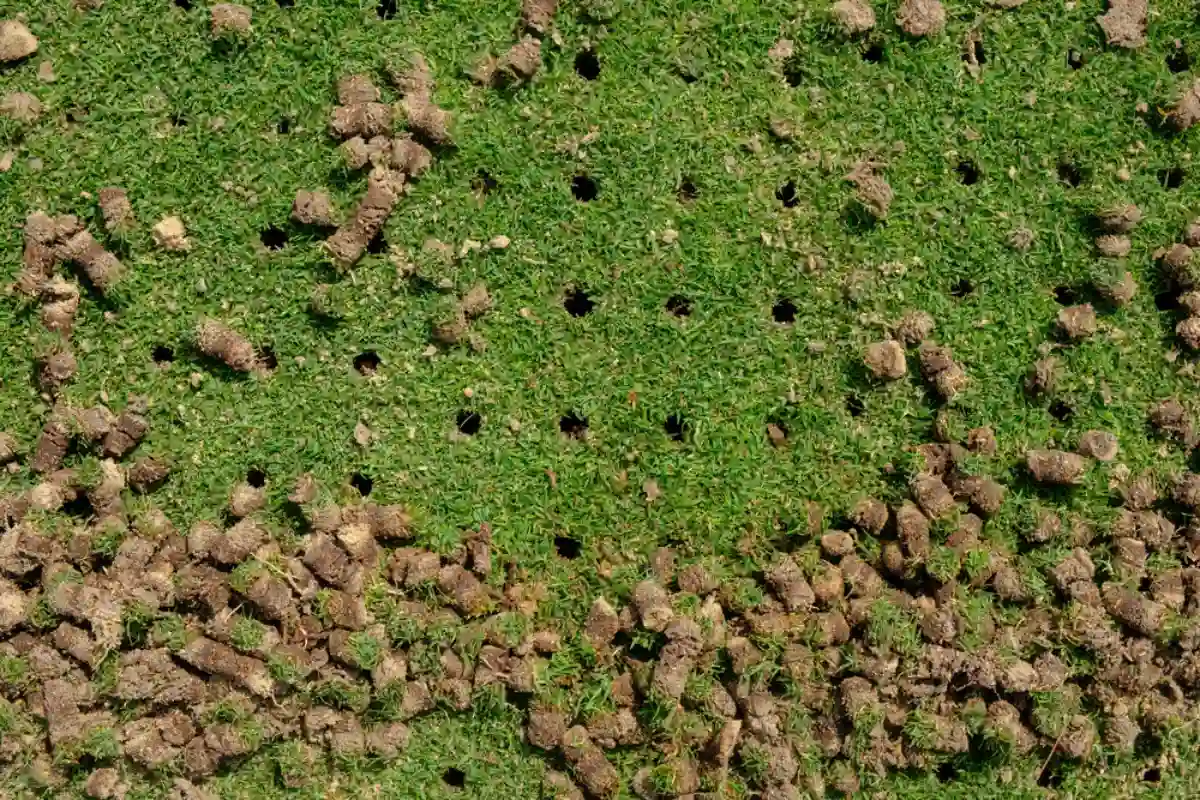
Core aeration is one of the most practical ways to support lawn health below the surface. Grass needs open soil, steady access to water, and strong roots to stay thick through heat, foot traffic, and seasonal stress. When soil becomes packed down, those basics become harder for your lawn to get. This is where core aeration services from Lawn Specialties can help.
What Is Core Aeration?
Core aeration is a lawn care service that removes small plugs of soil and thatch from the lawn. A professional aerator pulls these plugs out of the ground and leaves them on the surface, where they break down naturally. Each plug creates a small opening that helps the soil breathe.
This process is different from simply poking holes in the lawn. Solid spikes can press soil tighter around each hole, which may add to compaction in some areas. However, core aeration removes soil, so the ground has room to loosen and expand.
Core aeration is often the first step in achieving a healthier lawn because lawns need more than mowing and watering. Grass roots need oxygen. They also need space to grow and access to moisture and nutrients. When the soil is too dense, roots stay shallow. Core aeration helps prepare the lawn for periods of heavier use, heat, and seasonal stress.
Soil compaction can happen for many reasons. Kids playing in the yard, pets running across the lawn, mower traffic, heavy rain, clay soil, and routine use can press soil together. On commercial properties, walking paths, common areas, and entry zones often compact faster because they handle more traffic.
By removing soil plugs, core aeration improves growth conditions at the root level. It gives roots more room and gives water a better path into the ground. This is why many lawn care programs treat aeration as a base service for long-term health.
Improved Soil Health and Reduced Compaction
Compacted soil is bad for lawns because it limits the movement of air, water, and nutrients. When soil particles are packed tightly together, roots have to work harder to spread. Water may sit on the surface instead of soaking in. Fertilizer may have less access to the root zone. Grass may start to thin even when the lawn is being watered and fed.
Core aeration helps improve soil health by loosening the top layer of the lawn. The openings left behind by the removed plugs create room for oxygen and moisture to move through the soil. This helps the root zone become more active and better able to support new growth.
Better soil movement can also help lawns grow more evenly. Compacted areas often show up as thin strips, worn patches, or spots that dry out faster than the rest of the yard. Aeration can reduce those problem areas by improving the way the soil takes in water and nutrients.
Drainage is another key benefit. When rainwater cannot enter compacted soil, it may run off the lawn, pool in low areas, or leave some sections too wet while others stay dry.
Healthy soil supports a healthy lawn that can handle seasonal changes with less stress. It can also respond better to soil testing services, fertilization, overseeding, and weed control treatments.
Stronger Roots and Thicker Grass Growth
One of the most important core aeration benefits is stronger root growth. Roots need space to spread. When soil is dense, roots often stay near the surface. Surface-level roots dry out faster and provide less support for the grass above them.
Aeration gives roots more room to grow downward and outward. Deeper roots can reach more moisture and nutrients in the soil. They also help the lawn stay stronger during heat, dry periods, and exposure to high activity such as foot traffic and lawn maintenance.
A lawn with a deeper root system is usually thicker and more durable. Thick grass covers the soil better, which helps reduce bare areas and gives the lawn a fuller look. This is especially useful when lawns are thinning or have patchy growth.
Core aeration can help struggling turf recover because it improves the growing environment. Grass still needs the right seed, water, sunlight, and nutrients, but aeration gives those efforts a better chance to work. It is often paired with overseeding because the openings in the soil help seed make better contact with the ground.
This pairing can be useful when a lawn has thin spots, weak growth, or damage from stress.
Better Water and Nutrient Absorption
Aeration helps lawns absorb water better by giving moisture a direct path into the soil. Instead of staying on top of the lawn, water can move into the root zone, where grass can use it. This makes each watering session more useful.
Better water movement can also reduce standing water and runoff. If the lawn sheds water during rain or irrigation, the roots may still be dry below the surface. Aeration helps more of that moisture reach the soil instead of washing away.
Fertilizer can also work better after aeration. Lawn fertilization services are designed to feed the turf, but compacted soil can limit how much nutrition reaches the roots. When the soil is open, nutrients can move deeper and support the parts of the plant that need them most.
This does not mean aeration replaces proper watering or fertilization. It helps those services perform better. A lawn still needs the right care schedule, proper mowing, and watering habits that match the season. In Pennsylvania, timing matters because turf growth changes through spring, summer, and fall.
Aerated lawns may also handle dry weather better because deeper roots can reach moisture stored lower in the soil. During hot periods, shallow-rooted lawns can fade quickly. Lawns with stronger roots often recover better when temperatures drop and regular moisture returns.
Reduced Weeds, Disease, and Lawn Stress
Core aeration does not act like a weed control product, but it can help create turf conditions that make weed growth harder. Thick, healthy grass leaves less open soil where weeds can take hold. When the lawn fills in, weeds have less room to spread.
Weak lawns often give weeds an easier path. Bare spots, thin grass, and compacted soil can create openings for unwanted plants. Aeration helps improve the lawn’s density, which supports other weed control services and helps the turf compete better.
Aeration can also help reduce lawn stress. Heat, drought, foot traffic, mowing, pets, and seasonal changes can all affect turf. Aeration gives the lawn better root support, which can help it bounce back after tough periods.
Improved airflow can also support healthier turf conditions. Some lawn diseases thrive when grass stays damp for too long or when air movement near the soil is poor. Aeration can help moisture move into the soil and reduce surface conditions that may add to disease pressure.
Core Aeration vs Dethatching
Core aeration and dethatching are often confused, but they solve different lawn problems. Core aeration focuses on compacted soil. Dethatching focuses on thatch buildup.
Thatch is the layer of dead and living organic material that sits between the grass blades and the soil. A thin thatch layer is normal. A thick layer can block water, air, and nutrients. It can also create a poor growing surface for turf.
Dethatching removes excess thatch so the lawn has better contact with the soil. Aeration removes soil plugs so the ground can loosen and take in more air, water, and nutrients. Both services can help lawns, but the right choice depends on the actual problem.
A lawn may need aeration when the soil feels hard, water runs off, grass grows poorly in high-traffic areas, or roots are shallow. A lawn may need dethatching when the thatch layer is thick enough to block water and nutrients or make the lawn feel spongy.
Some lawns can benefit from both services, especially if they have compacted soil and heavy thatch. A professional lawn care provider can check the turf and explain which service makes sense. This is why aeration vs dethatching should be based on lawn conditions rather than guesswork.
Residential and Commercial Benefits of Core Aeration
Core aeration is useful for both residential and commercial lawns. The goals may differ, but the need for healthy soil is the same. Grass must be able to root well, take in water, and recover after stress.
For homeowners, aeration can improve curb appeal and make the lawn more enjoyable. A thicker, greener lawn can improve the look of the property and create a better outdoor space for family use, pets, and gatherings.
Residential lawns often deal with compacted areas near driveways, patios, play areas, and walking paths. These spots may thin out faster than the rest of the yard. Aeration helps reduce compaction and gives those areas a better chance to recover.
Commercial properties often need aeration because they handle more regular foot traffic. Office lawns, apartment communities, retail sites, schools, and shared green spaces can develop compacted soil in high-use areas. Thin or worn turf can make the property look neglected, even when the rest of the landscape is maintained.
Commercial aeration and overseeding services can help these lawns stay durable and more attractive. When turf is thicker, it can better handle use and maintain a cleaner appearance between service visits.
Professional Core Aeration Services in Pennsylvania
The best time for aeration depends on grass type, soil condition, and local weather. In Pennsylvania, many cool-season lawns benefit most when aeration is performed during active growth, often in the fall. Spring aeration may also make sense for certain lawns, especially when compaction is severe.
Timing matters because the lawn needs a strong recovery window after service. Aeration opens the soil and gives the turf room to grow, but the lawn still needs good growing conditions, proper watering, and the right follow-up care.
Professional equipment also matters. A quality core aerator removes plugs at the proper depth and spacing. This creates useful soil openings without tearing up the lawn more than needed. Small rental machines may be hard to use, may not remove deep plugs, and may produce uneven results.
A professional can also evaluate the lawn before service. Soil compaction, thatch, drainage, turf type, sunlight, and mowing habits can all affect results. If the lawn needs overseeding, fertilizer, soil testing, or weed control, those services can be planned around aeration for better performance.
Homeowners can support the results after aeration by watering properly, keeping mower blades sharp, avoiding heavy traffic while seed establishes, and following a seasonal lawn care plan. These steps help the lawn make the most of the open soil channels.
For commercial sites, professional aeration helps keep large turf areas on a practical schedule. It also helps reduce the need for bigger repairs caused by long-term compaction, bare areas, and weak growth.
For homeowners and property managers, the main core aeration benefits are practical. Aeration can improve soil health, reduce compaction, support thicker turf, help fertilizer work better, and improve the lawn’s ability to recover after stress. It is one of the most useful lawn care services for lawns that look tired, thin, patchy, or slow to green up.
Lawn Specialties provides Pennsylvania lawn aeration services for residential and commercial properties. Their team understands local turf conditions and can help plan aeration with overseeding, fertilization, and other lawn care services when needed for long-term turf health.
If your lawn feels hard underfoot, has thin patches, drains poorly, or struggles after heat and foot traffic, core aeration may be a smart next step. Contact us to schedule service and build a healthier lawn from the soil up.